Marvel Rivals Twitch clips roundups vs full match VODs for learning hero plays
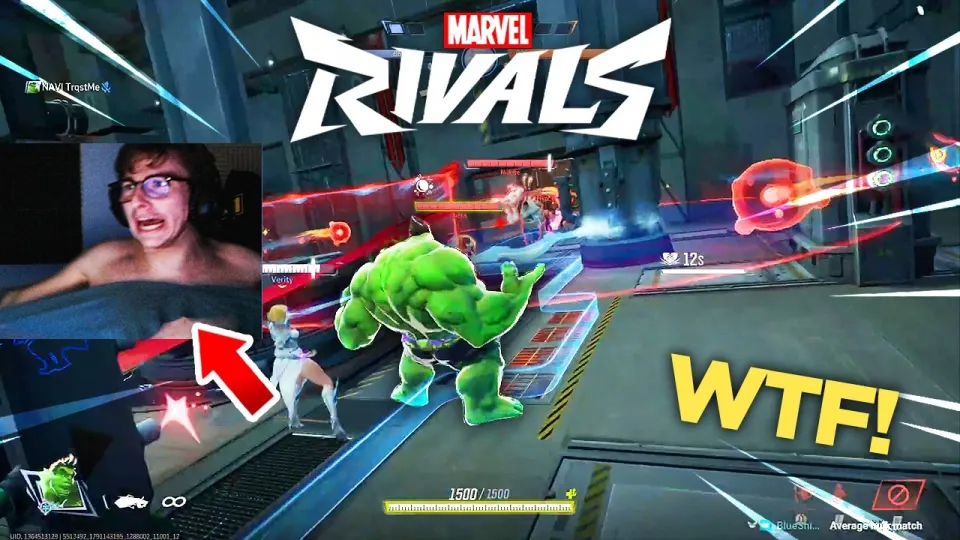
Video: Marvel Rivals MOST VIEWED Twitch Clips of The Week! #86
You can order the same kind of articles for your own video to boost it on YouTube and Google. Just message the Telegram bot @sat_sit_bot. It writes articles around your video, embeds the video and publishes them on popular niche websites (no ads). Try it free: 50 articles on us.
· based on the channel Rivals Guides
Key takeaways
- Rivals Guides publishes a weekly Marvel Rivals Twitch clip roundup; episode #86 collects the most viewed clips of the week.
- Clips are cut to seconds, so they show the payoff of an ultimate or flank but skip the setup and cooldown management behind it.
- Full match VODs run 10–25 minutes and reveal positioning, ult economy and target priority that highlight reels cut out.
- Viewer debate around the roundups splits between entertainment value and the missing guide content the channel name implies.
- Rivals Guides lists its source streamers in the video description, so clips can be traced back to the original Twitch channels.
Marvel Rivals is best learned by watching full match VODs, while weekly Twitch clip roundups like Rivals Guides' "Most Viewed Twitch Clips of the Week" are the faster, more entertaining way to see what the hero roster can do. Clips teach you the payoff of a play in seconds; VODs teach you the decisions that set it up. Use both, but know which one answers the question you actually have. If you want to support the roundups, the creators point viewers to Gamer Supps with code GUIDES for 10% off.
What a Marvel Rivals weekly clip roundup actually contains
A clip roundup is a curated montage of short Twitch highlights, not a tutorial, and episode #86 of the Rivals Guides series follows that format: competitive gameplay highlights, fails, best plays and funny streamer moments pulled from a long list of Twitch channels credited in the description. The sourcing matters. The description credits dozens of streamers, from well-known variety names to smaller ranked grinders, which means the clips skew toward whatever happened to go viral that week rather than toward a planned curriculum. You get Wolverine ultimates, Psylocke dives, flank routes, healer duels, rage moments and the occasional catastrophic fall off the map. What you do not get is the preceding two minutes of cooldown tracking that made any of it possible.
Clips versus VODs for learning a new hero
Full VODs beat clip roundups for learning a hero, because Marvel Rivals is a game of resource trading and clips delete the trading. A 15-second highlight shows an ultimate landing on three people; it does not show the player waiting out a defensive cooldown first, baiting a support ultimate, or choosing that angle because the enemy tank was already committed elsewhere. A full match shows all of it, including the deaths and the reset timers.
That said, clips have a real use: they compress the hero roster into a highlight reel you can scan in ten minutes and answer "does this character look fun to me?" before you spend an evening on them. A practical split:
- Watch clips to pick a hero and see the ceiling of what their kit can do.
- Watch one full VOD from a strong player on that hero to see the boring middle game.
- Go into quick play and test the specific setup you saw, not the finisher.
- Return to clips once you understand the cooldowns, so you can spot why a play worked.
Why viewers argue about what belongs in the montage
The comment section under these roundups is where the real Marvel Rivals meta discussion happens, and the recurring complaints are consistent. One camp wants fewer staged or reaction-driven segments and more genuine high-level ranked plays. Another camp defends clips that show a player losing a fight while doing their job, because occupying an enemy flanker for most of a team fight is a win even if the scoreboard does not say so. A third group points out an obvious irony in the channel branding: a channel called Rivals Guides that publishes clips rather than guides. That criticism is fair as far as it goes, but it also misreads the product. These are highlight reels built for entertainment and for streamer discovery, and the credited Twitch channel list is the actual value — it is a directory of players worth following for the guides the roundup does not provide.
Reading a highlight correctly instead of copying it
The most common mistake clip watchers make is copying the finisher without the setup, and Marvel Rivals punishes that harder than most hero shooters. A dive ultimate that looks unstoppable in a clip usually lands because a support ultimate or a defensive field was already spent, or because the target was isolated from their team. Try the same button press into a full enemy backline with cooldowns up and you will feed.
A short checklist before you imitate anything from a montage:
- Identify which enemy cooldowns were already used in the clip.
- Note the player's position relative to their own team, not just the enemy.
- Check whether the clip is ranked or casual; the difference in coordination is large.
- Assume the clip is the one attempt out of five that worked.
Where the roundups fit into a Marvel Rivals watch routine
A weekly clip roundup works best as a low-effort scan between serious study sessions, not as a replacement for them. The format is genuinely good at three things: showing off-the-wall interactions between hero kits, surfacing streamers you would not otherwise find, and giving you a quick pulse on what the community is complaining about this week, whether that is a support ultimate that feels unkillable or a dive character that feels overtuned. It is bad at explaining why anything happens. Treat episode #86 and its siblings as a trailer for the deeper content, then go watch the full VOD on the credited Twitch channel when a clip makes you curious.
Useful links
- Gamer Supps discount with code GUIDES
- https://x.com/MRivalsGuides
- https://www.tiktok.com/@MrivalsGuides
- https://www.instagram.com/MRivalGuides
The verdict on clip roundups for Marvel Rivals players
Clip roundups are worth your time as entertainment and as a streamer discovery tool, but they are a poor primary learning resource for Marvel Rivals. If you want to improve at a specific hero, a full VOD from a strong player on that hero will teach you more in twenty minutes than a week of highlights. If you want to know what the game looks like at its most chaotic and fun, the Rivals Guides weekly series delivers exactly that, with a credited source list that lets you follow any clip back to the streamer who made it. Pick the format that matches your goal, and if the roundups are useful to you, grab the Gamer Supps code GUIDES for 10% off to support the channel.
Questions & answers
Are Marvel Rivals Twitch clip roundups good for learning the game?
They are good for seeing what heroes can do and for discovering streamers, but poor for learning decision-making. Clips cut out the cooldown tracking, positioning and failed attempts that explain why a play worked. Pair them with full match VODs from the credited streamers.
Why do commenters complain that a channel called Rivals Guides posts clips instead of guides?
The criticism is that the branding promises tutorials while the output is highlight montages. In practice the roundups function as entertainment and as a directory of Twitch players worth following, which is where the actual learning material lives.
Is it fair to blame a player for losing a fight shown in a highlight?
Often not. A clip can show someone losing a duel while still doing their job, for example keeping an enemy flanker occupied for most of a team fight. Team fight value and individual kill counts are different things in Marvel Rivals.
Can I copy an ultimate combo straight from a clip?
Only if you recreate the conditions. Most highlight ultimates land because an enemy defensive cooldown or support ultimate was already spent, or because the target was isolated. Check what was used up before you try the same play in your own match.
Source: Marvel Rivals MOST VIEWED Twitch Clips of The Week! #86 · Markdown version